
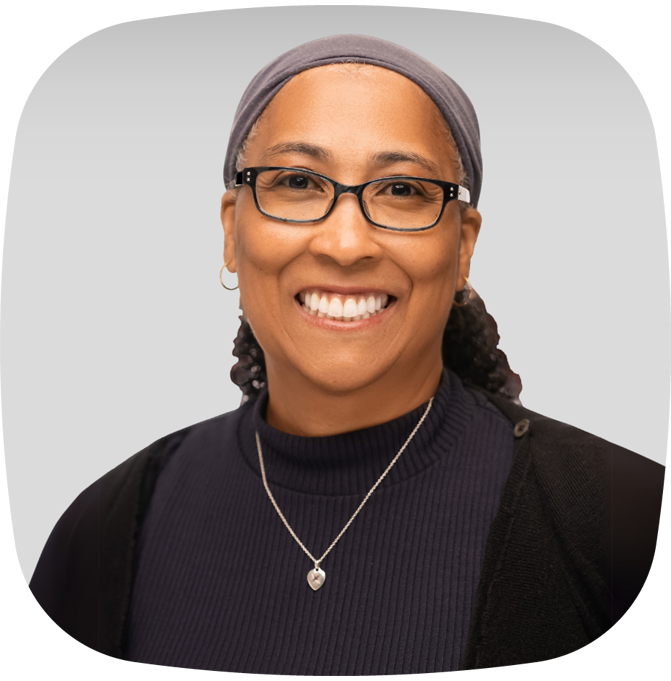
When Dr. Ardis Martin says her journey into medicine started with a significant medical illness as a child, she means it literally.
After a traumatic medical event at just four years old, she was saved by a doctor—and made a promise: “When I grow up, I want to be like the surgeon who saved me.” That moment set the course for a lifetime of healing.
Now, as a child, adolescent, and adult psychiatrist in the Bay Area, Dr. Martin is shaping the conversation around mental health in the Black community. In this Q&A, she opens up about the emotional labor of medical training, why representation matters in psychiatry, and how SMMA helped her community.
SMMA: How did your path to psychiatry begin?
Dr. Ardis Martin: I had always planned to be a surgeon. But in med school, I attended a talk on panic disorder and was immediately intrigued. I realized I was drawn to human stories, to understanding why people are the way they are and that treating someone’s mental pain is just as important as treating their physical pain. Psychiatry let me blend my love of science with compassion and curiosity. It felt like a calling.
SMMA: Were there any pivotal moments during training that confirmed your choice?
Dr. Martin: Yes. During one of my rotations, I saw a patient who was floridly psychotic when he came in. After getting back on his medication, he was completely himself again. That transformation was incredible to witness. In surgery, you might do the same procedure over and over. In psychiatry, every story is different. Every person’s pain is rooted in something unique. That depth keeps me engaged and it’s a privilege to be able to be there for people in this way.
SMMA: How did you get involved with the Sinkler Miller Medical Association?
Dr. Martin: I moved to the Bay Area about eight years ago and didn’t know anyone. At an Outdoor Afro event, I met Dr. Sherilyn Cooke. We connected immediately. She invited me to an SMMA dinner meeting, and I felt welcomed right away. It wasn’t just about professional development—it was about belonging. Eventually, I joined the board and got involved in community initiatives like Hypertension Sundays.
SMMA: What has SMMA meant to you as a Black physician?
Dr. Martin: It’s been essential. As a transplant to the area, I needed community. SMMA gave me that. As Black physicians, we’re often isolated in our fields. SMMA offers a space where we can be seen, understood, and supported. The scholarship work is especially meaningful. It’s a chance to uplift the next generation and let them know they don’t have to navigate this journey alone.
SMMA: What advice would you give to aspiring Black physicians?
Dr. Martin: Find your people. Medicine can be an isolating and racially charged space. Having community—whether it’s classmates, mentors, or organizations like SMMA—makes all the difference. Representation matters. It’s validating to see someone who looks like you, thriving in this field, and we need more of that.
SMMA: What issues are you most passionate about today?
Dr. Martin: Mental health disparities, especially in communities of color. It’s unacceptable that mental health is still treated separately from the rest of medicine. Your brain is part of your body. We also need more Black providers. I’ve struggled to find a Black doctor myself, and I know how powerful culturally competent care can be. If the system isn’t going to change overnight, we need to at least train people to practice with humility and awareness.
Dr. Ardis Martin is one of many physicians who remind us that healing is personal, and community is power. At SMMA, we’re proud to support her and others who are making medicine more human—and more just.
Interested in becoming a member, supporting scholarships, or attending our next event? Learn more about the Sinkler Miller Medical Association.